3 min read | July 29, 2024

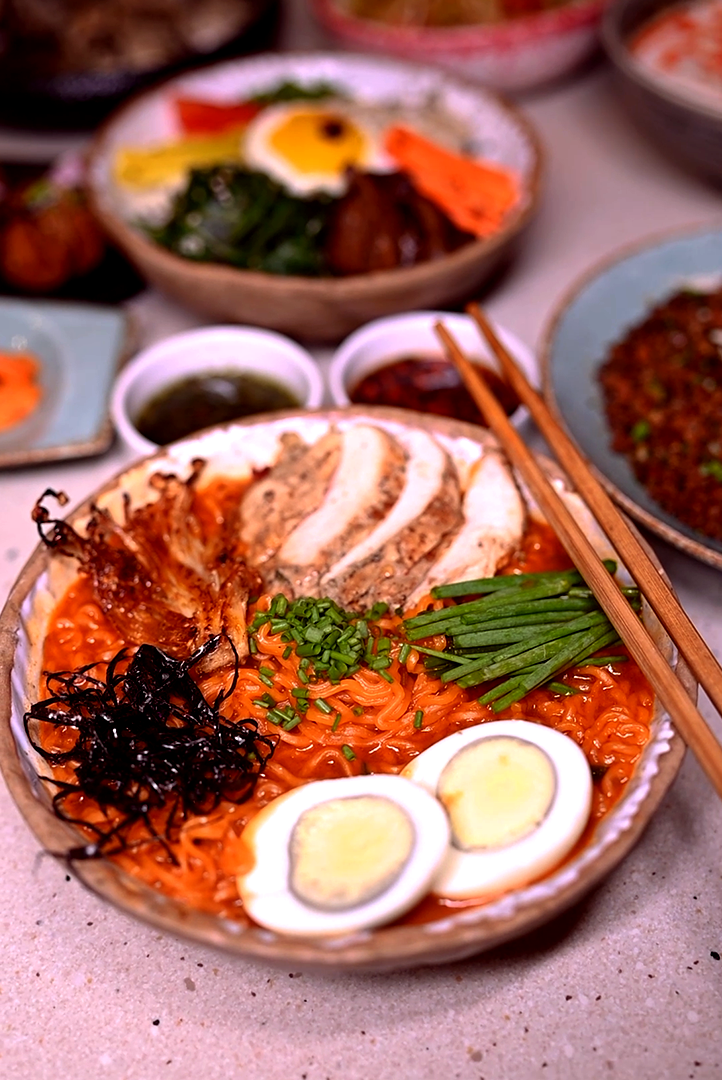
There was a time when Korean food felt distant — something seen on screens rather than plates. Today, it feels different. In Kolkata, Korean cuisine has moved past novelty. It has become something people return to, not out of curiosity, but comfort.
You can see it in how people order. Fewer questions. More confidence. Less “What is this?” and more “Let’s have that again.”
At The Garden, this shift shows up daily. Some guests arrive already knowing what they’re craving. Others ask for suggestions, then settle into the meal as if they’ve eaten these flavours for years.
Korean cuisine has a rare quality — it’s bold, yet grounding.
The flavours are layered but familiar.
The spice warms instead of overwhelming.
The textures invite slow eating rather than quick bites.
Rice anchors the meal. Sauces carry depth. Side elements balance richness with freshness. Even for first-time diners, Korean food doesn’t demand adjustment — it welcomes you in.
There’s no denying the cultural wave that introduced many people to Korean food. But what keeps them coming back isn’t pop culture — it’s how the food makes them feel.
Warm bowls.
Comforting heat.
Plates designed to be shared.
Korean meals tend to unfold rather than arrive all at once. Food is tasted, discussed, passed around. The table becomes part of the experience, not just a place to eat.
One of the most natural things about Korean dining is how communal it feels.
Someone reaches across the table.
Another asks for a bite.
Sauces are compared. Textures discussed.
Even quiet meals tend to stretch longer. Korean food encourages pause — and in a fast city, that matters.
Bold food doesn’t always need loud surroundings.
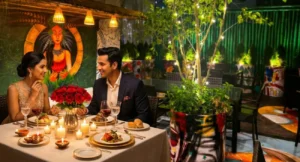
Korean cuisine benefits from a space where people can slow down and notice what they’re eating. When the environment feels calm, flavours don’t rush. Meals become more deliberate, more memorable.
That balance between flavour and atmosphere often defines whether guests return — and Korean food tends to reward that kind of attention.
Once comfort sets in, curiosity follows.
Diners begin to explore deeper — different preparations, richer sauces, bolder combinations. For those who want to understand how these Korean dishes are prepared and served, exploring them in more detail adds another layer to the experience.
Kolkata has always embraced food that carries emotion.
Meals here are about conversation, time, and memory — not just taste. Korean cuisine aligns naturally with that rhythm. It’s food that’s meant to be felt as much as eaten.
Not rushed.
Not rushed again.
And always better in company.
No. While some dishes carry heat, many are savoury, comforting, and mild. Spice tends to build gently rather than dominate.
Yes. Most dishes are balanced and approachable, making them easy to enjoy even if you’re new to Korean food.
Traditionally, yes. Korean dining often revolves around shared plates, which naturally suits group meals.
Despite rich flavours, Korean dishes balance warmth with freshness, making meals satisfying without feeling overly heavy.
Evenings and weekends tend to be busier. Reserving ahead helps ensure a relaxed dining experience.

Step into The Garden, where global flavors sizzle, creativity shines, and every bite turns your meal into a memorable experience.